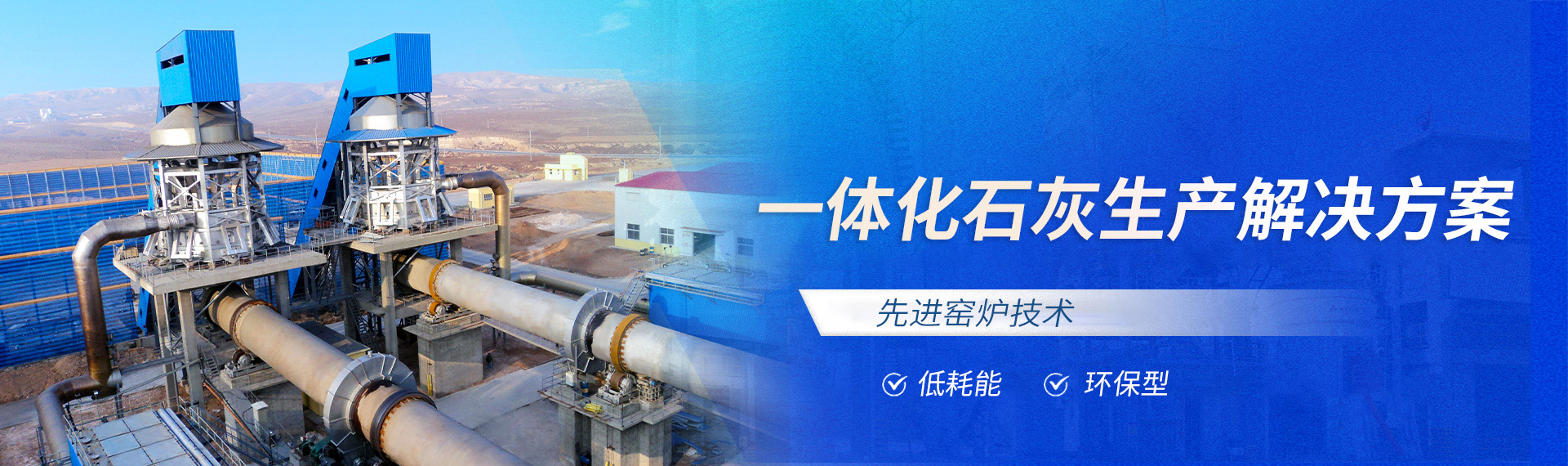
Activated lime is mainly made from minerals with high calcium carbonate content such as limestone, dolomite, and chalk, which are calcined at 1100 ± 50 ℃. There are various production methods for lime, mainly including the energy-saving lime production process of “preheater—rotary kiln—vertical cooling”. Traditional “long rotary kiln” lime production process. Production process of lime in mixed firing vertical kiln. Gas fired or oil fired vertical kiln lime production process.
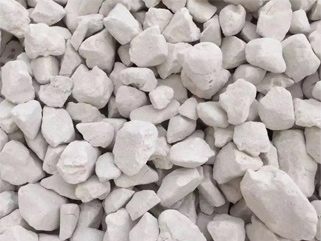
Composition Requirements:
CaO3 content > 85%
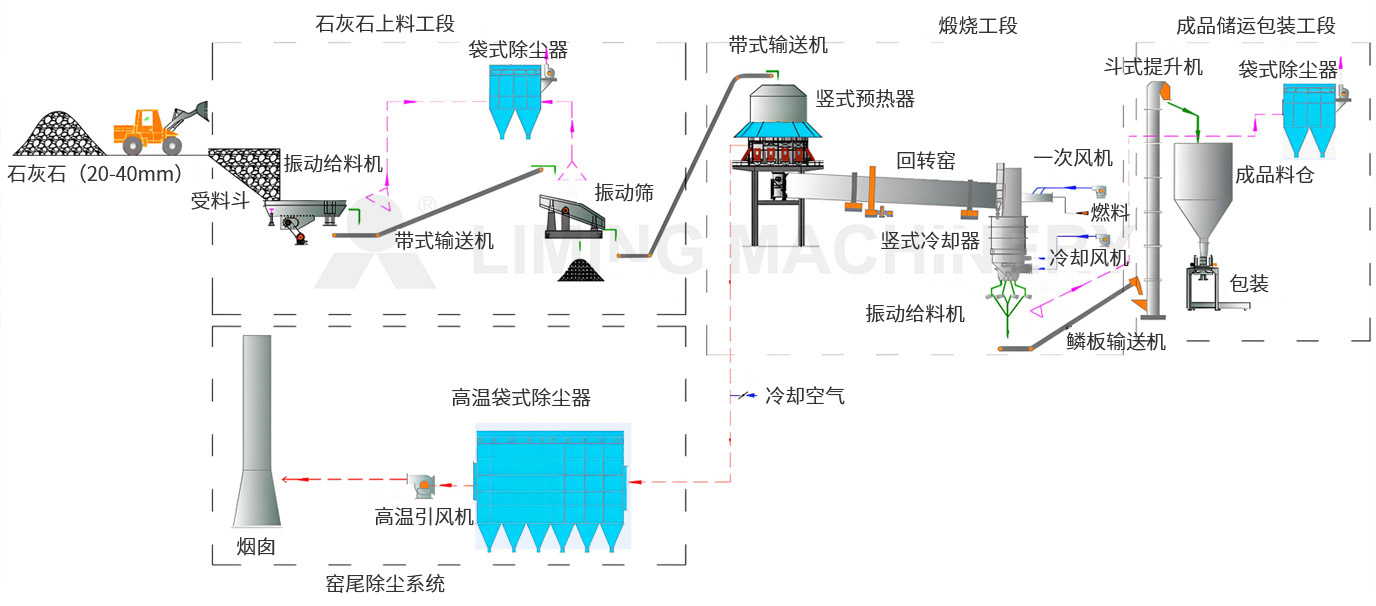
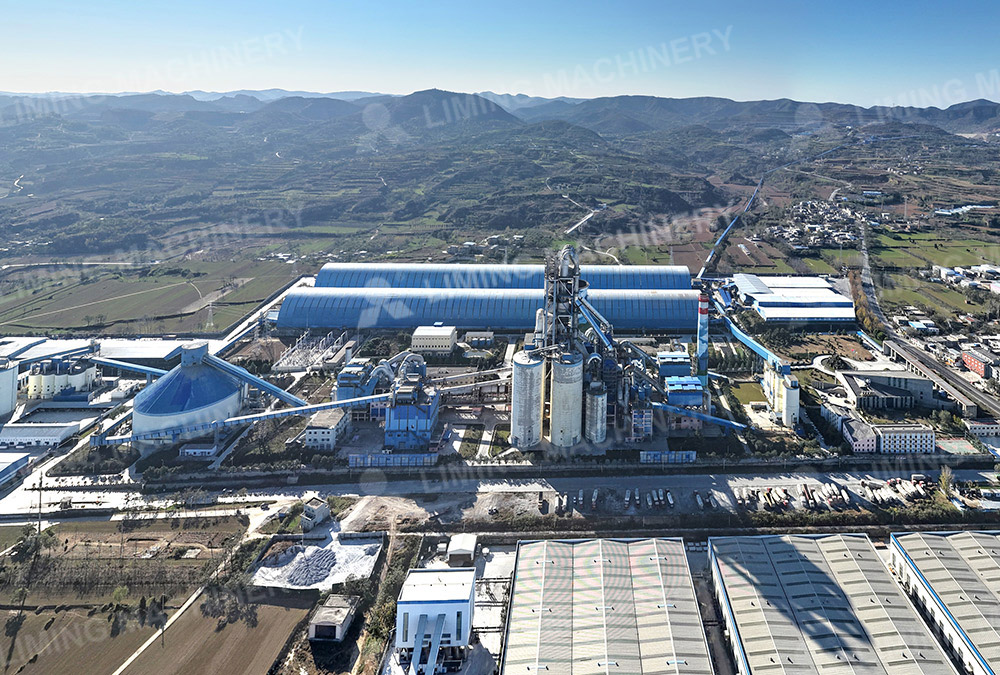
Limestone (10–50mm) is delivered to the plant yard and stockpiled by a loader. Sized material is loaded into a receiving trough, where a feeder meters the flow. Material is conveyed to a screening building via a steep‑angle conveyor. Screened limestone is weighed and sent to the preheater feed bin, while fines are conveyed to a storage yard for periodic removal.
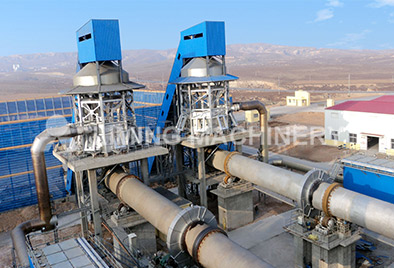
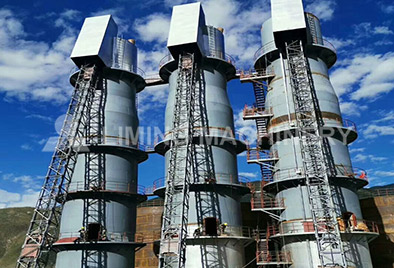
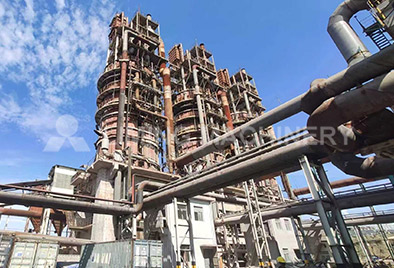
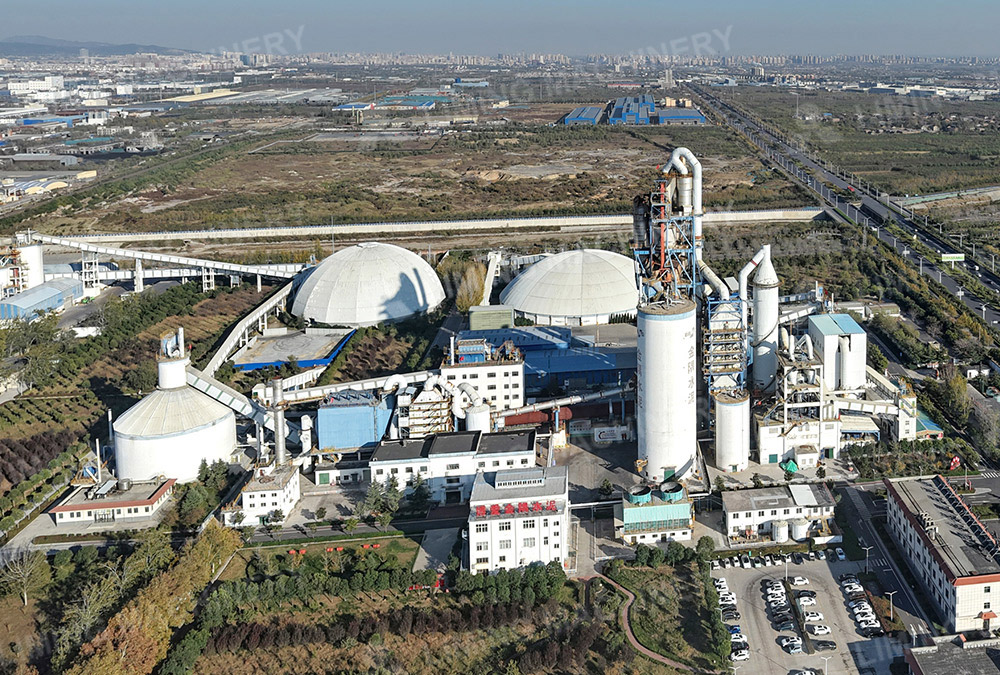
A vertical preheater, rotary kiln, and vertical cooler system (150‑1200 t/d) processes limestone. Material is preheated above 1000°C by kiln flue gas, partially decomposed, then pushed into the kiln for calcination. After cooling with air to below ambient +60°C, the heated air is recycled as secondary combustion air to the kiln.
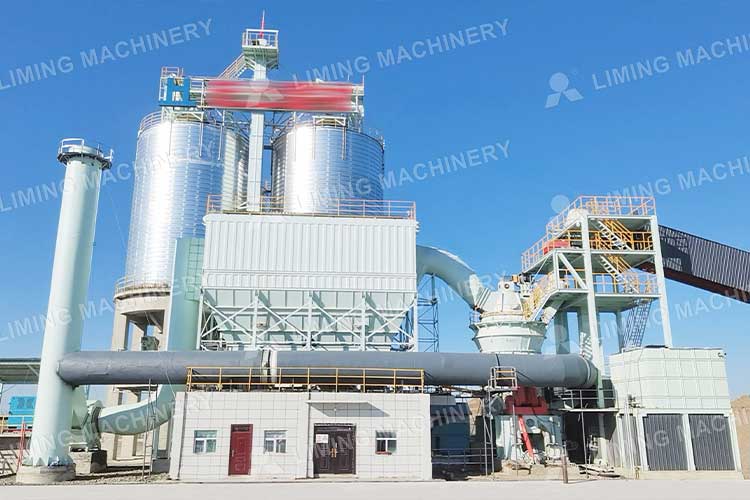
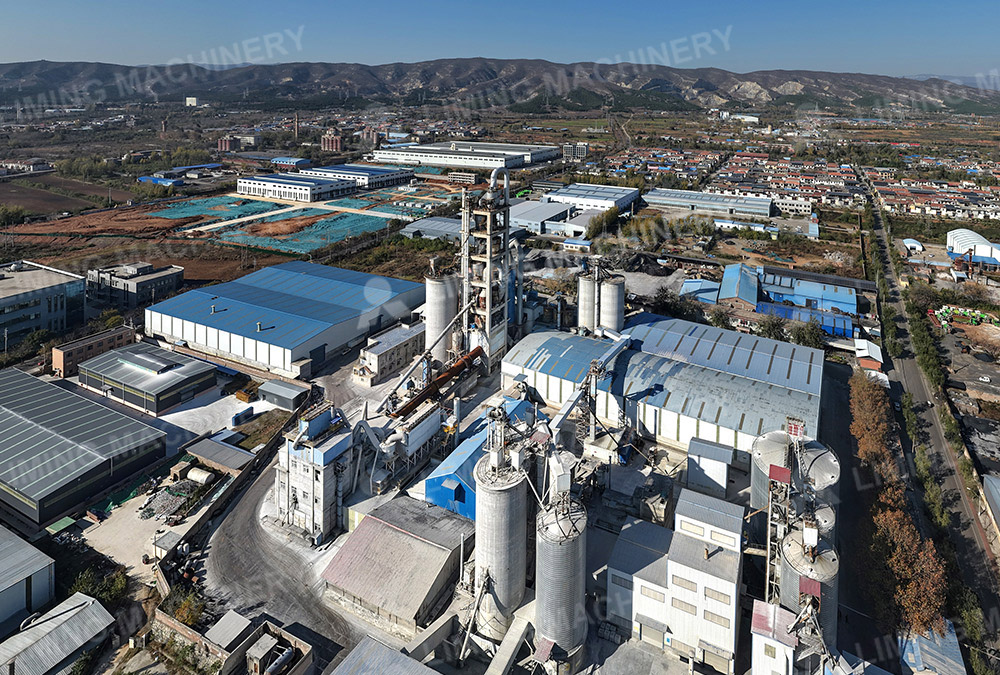
Finished lime is discharged from the cooler and conveyed via chain plates, bucket elevators, and belts to storage silos. Silos include two 800‑ton circular bins for 5‑50mm lime and one for < 5mm fines, sized per client needs. Material is loaded into trucks or tankers through discharge valves.
High‑temperature flue gas from kiln combustion is cooled below 250°C by heat exchange with limestone in the preheater. It then passes through a cyclone dust collector to capture coarse particles, followed by a bag filter that reduces emission dust concentration to < 30 mg/m³. Cleaned gas is discharged via a high‑temperature fan. A cold‑air control system protects the dust collector inlet.


1 Calcination: The selected limestone is sent into an environmentally friendly lime kiln for high-temperature calcination, where it is converted into quicklime.

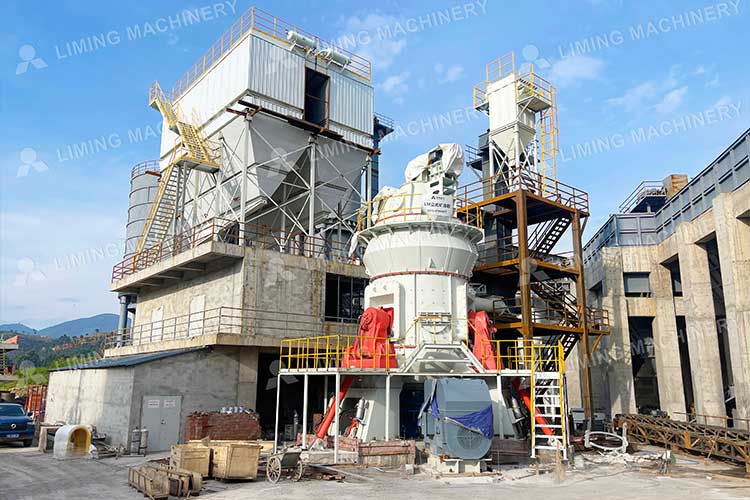
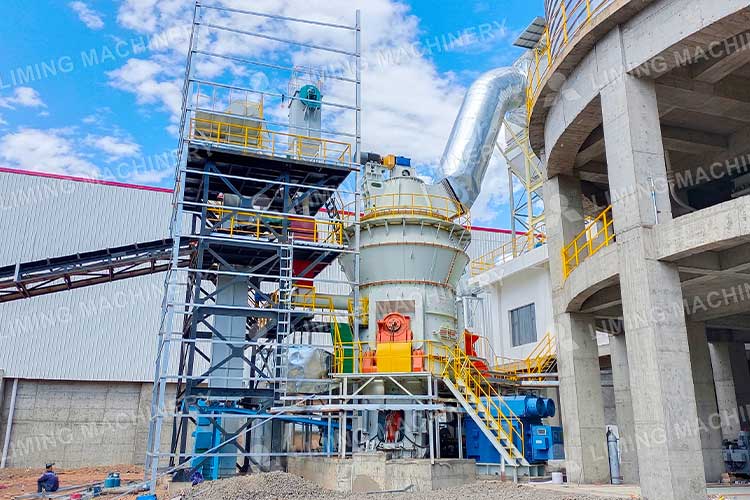
2-1 Grinding: Quicklime can be directly pulverized by a Raymond mill or vertical mill, processing it from lumps into powder for direct market supply.

2-2 Slaking: Quicklime can be further processed by feeding it into a calcium hydroxide production line. Through a five-stage slaking process (comprising one stage of pre-slaking, three stages of homogenization, and one stage of final pulverization), it is converted into slaked lime.

2-2-1 Separation + Collection: The hydrated lime is directly screened by a classifier. The collected material becomes the premium calcium hydroxide finished product, while the excess residue is discharged.

2-2-2 Grinding + Classification + Collection: The hydrated lime can also be pulverized by a Raymond mill. Once the required fineness is achieved, it is separated by a classifier and finally directed into a dust collector for recovery, resulting in the standard calcium hydroxide finished product.

 申请报价
申请报价